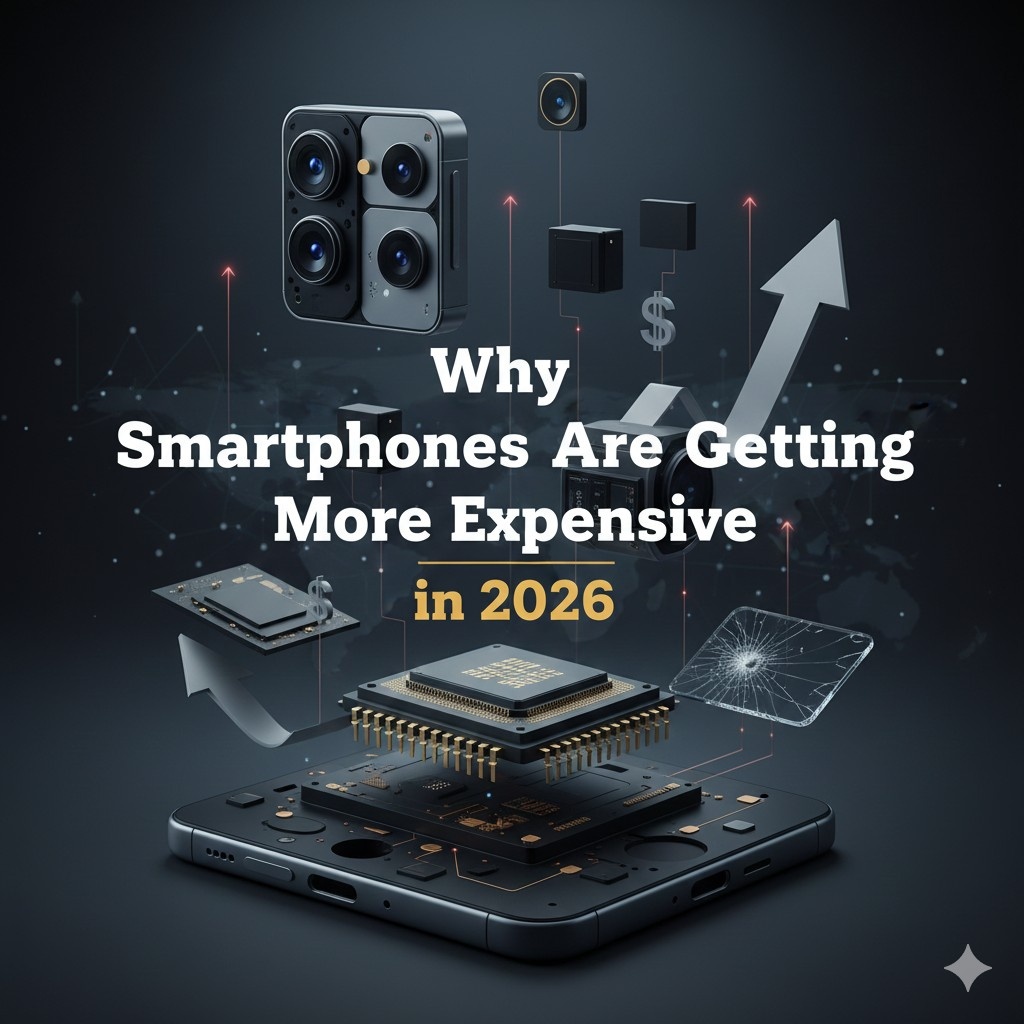
Why Smartphones Are Getting More Expensive in 2026
Not too long ago, buying a new smartphone felt exciting—and affordable. Today, in 2026, it feels more like a serious financial decision.
Flagship phones now cost as much as a good laptop, and even mid-range devices are slowly moving into premium price territory. So what’s really happening? Let’s break it down honestly.
1. Smartphone Technology Has Become More Advanced
Modern smartphones are no longer just communication tools. They are powerful pocket-sized computers packed with cutting-edge technology.
- AI-powered processors
- Console-level mobile gaming
- Advanced camera sensors
- Foldable and ultra-durable displays
- Satellite connectivity and enhanced security
2. AI Integration Is Increasing Hardware Costs
Artificial Intelligence is now deeply built into smartphone hardware. Dedicated AI chips, on-device machine learning, and real-time processing all require specialized components—making phones more expensive to produce.
3. Premium Materials Are Now the Standard
In 2026, plastic bodies are becoming rare. Smartphones now feature premium materials by default, improving durability and feel—but also increasing cost.
- Titanium or aerospace-grade aluminum frames
- Ceramic or reinforced glass protection
- Water, dust, and impact resistance
4. Global Supply Chain Costs Still Matter
Semiconductor shortages, rising energy prices, higher labor wages, and increased transportation costs continue to affect smartphone pricing worldwide.
5. Longer Software Support Adds to the Price
Most premium smartphones now offer 5–7 years of software and security updates. Maintaining this long-term support requires continuous engineering work, which is reflected in the phone’s price.
6. Brands Are Targeting Premium Buyers
Users are upgrading less frequently, but spending more when they do. Brands are focusing on premium “Pro” and “Ultra” models instead of affordable mass-market phones.
7. Inflation and Currency Fluctuations
Global inflation, import duties, and currency value changes quietly push smartphone prices higher— especially in developing markets.
Smartphones are more expensive, but they also last longer. A single device can now easily serve you for 4–5 years.
Final Thoughts
Smartphones are getting more expensive in 2026—but not without reason. You’re paying for advanced technology, premium materials, AI features, and long-term software support.